Stop What You’re Doing and Look Closer
You know that feeling when you discover something incredible that was hiding in plain sight the whole time? That moment when you realize the developers weren’t just making a game, they were crafting a love letter to every detail-obsessed player who would eventually find their secrets? THAT’S what we’re talking about today.
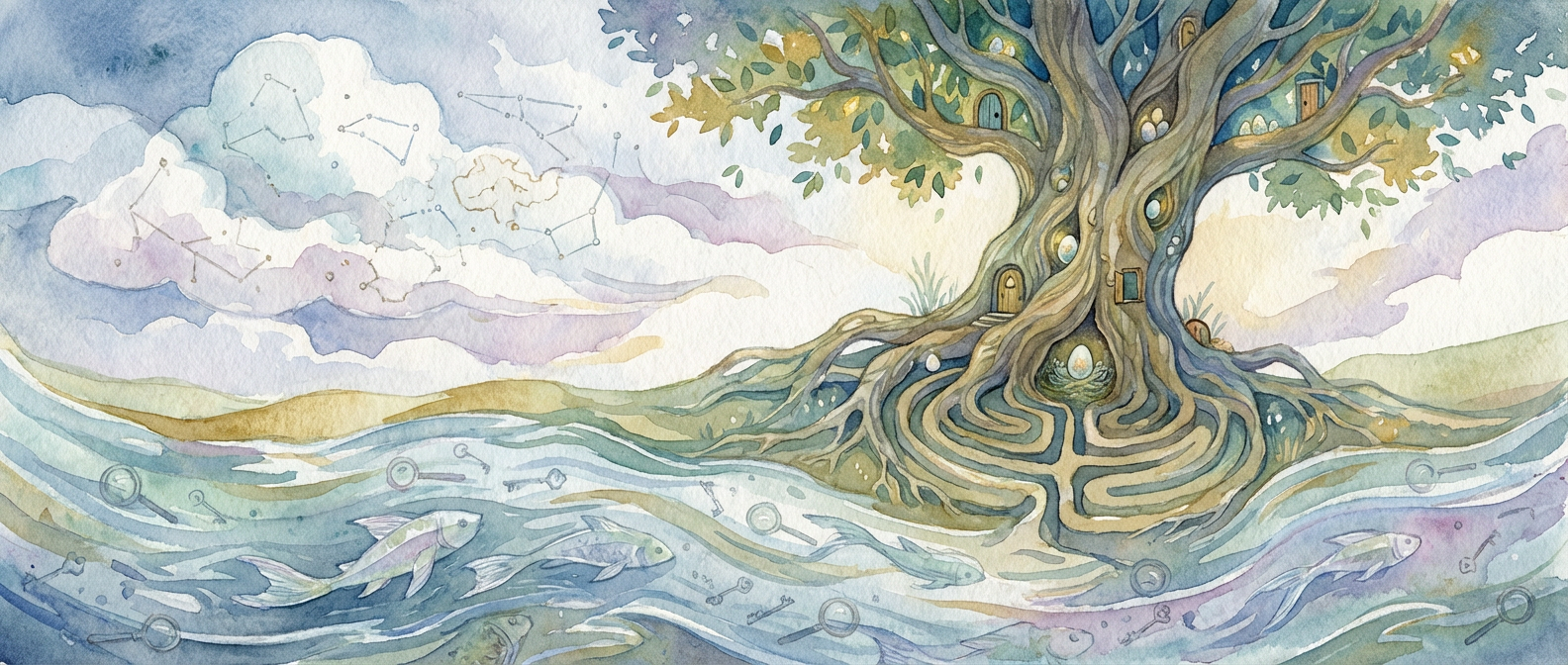
Easter eggs aren’t just cute little bonuses anymore. They’re the difference between a good game and one that lives rent-free in your head for years. The problem is, most players are speed-running past some of the most clever hidden content ever created. We’re missing entire conversations, secret areas, and references that would make us appreciate these games on a completely different level.
Here’s the truth nobody wants to admit: if you’re not actively hunting for these details, you’re experiencing maybe 60% of what the developers actually built for you. And honestly? That’s a waste of everyone’s time and your money.

The Masters of the Hidden Game
FromSoftware doesn’t just hide easter eggs. They hide entire storylines in environmental details that most players will never notice. In Elden Ring, there’s a specific arrangement of gravestones that tells the complete story of a minor NPC’s family tragedy, but you’ll only catch it if you’re paying attention to the inscriptions AND you remember a throwaway line from 30 hours earlier. That’s not an accident. That’s intentional design for the players who care enough to look.
Rockstar takes this philosophy and cranks it to eleven. Grand Theft Auto V has easter eggs that reference movies from the 1980s, inside jokes about the development team’s other projects, and environmental storytelling that reveals character backstories you’d never get from cutscenes alone. The ghost on Mount Gordo isn’t just a spooky visual. It’s the conclusion to a murder mystery scattered across the entire map through newspaper clippings, police reports, and environmental clues.
But here’s where it gets interesting: these aren’t just developer flex moments. Studios like CD Projekt Red and Naughty Dog use hidden details to reward the players who are emotionally invested enough to slow down and explore. The Witcher 3’s secret dialogue options that only appear if you’ve read specific books aren’t there to show off. They’re there to make completionist players feel seen and valued.
Why Your Favorite Streamers Keep Missing the Point
Content creators are destroying the easter egg experience, and they don’t even realize it. When you’re focused on maintaining chat engagement and hitting upload schedules, you can’t afford to spend twenty minutes examining every bookshelf for hidden lore. The result? Millions of viewers think they’ve experienced a game fully when they’ve actually missed the most rewarding content.
Take Hideo Kojima’s work. Metal Gear Solid games are absolutely packed with references to movies, books, and real-world military history that add layers of meaning to every scene. But if you’re watching someone blast through the main story, you’re missing the codec calls that explain why certain enemies behave specific ways, or the environmental details that foreshadow plot twists three games later.
The worst part? This creates a feedback loop where developers start designing for stream-friendly, immediately obvious content instead of rewarding careful exploration. When studios see that hidden content gets ignored in favor of flashy action sequences, they adjust their priorities accordingly. We’re literally training developers to stop putting in the effort that makes games special.
The Real Cost of Missing Out
Here’s what nobody talks about: easter eggs and hidden details are often the best-written content in the entire game. Developers put their most creative ideas into optional content because they know only dedicated players will find it. That means if you’re not looking, you’re missing the writing, voice acting, and design work that the team was most passionate about creating.
Horizon Zero Dawn’s optional audio logs don’t just fill in backstory. They contain some of the most emotionally devastating storytelling in the entire medium. But they’re completely optional, hidden in ruins that most players will sprint past while following quest markers. The developers knew that players who took the time to find these logs would be the ones most likely to appreciate their impact.
Even multiplayer games benefit from this approach. Overwatch’s spawn room interactions and map details create a sense of world-building that transforms matches from generic competitive experiences into battles taking place in a living, breathing universe. Players who notice these details report feeling more connected to their characters and more invested in match outcomes.
How to Actually Find the Good Stuff
Stop following guides for your first playthrough. Seriously. The satisfaction of discovering a secret organically is worth more than the efficiency of knowing where everything is located. Guides should be for cleanup runs and completionist goals, not for your initial experience with a game’s world.
Start paying attention to environmental storytelling. That overturned chair next to a bloodstain isn’t random set decoration. It’s telling you something about what happened in this room. Those seemingly random NPC conversations often contain clues about secret areas or hidden questlines. Game developers don’t include details without purpose.
Most importantly, slow down. The games industry has trained us to optimize everything, but optimization is the enemy of discovery. Some of the best gaming moments happen when you’re wandering around with no specific goal, just absorbing the atmosphere and noticing details that don’t immediately serve a mechanical purpose.
What’s the most incredible hidden detail you’ve discovered in a game? The kind that made you stop and think “how did the developers even think of this?” Drop your stories in the comments. I guarantee someone else playing that same game completely missed what you found, and that’s exactly why these conversations matter.