The Nostalgia Trap Is Real, But These Games Earned Their Place
Look, we need to talk about something. Half the “underrated classics” people champion online are straight-up mediocre games that happened to hit during someone’s formative years. You know the type. Someone posts “DAE remember this hidden gem?” with a screenshot of a janky PS2 game that sold three copies because it was genuinely terrible.
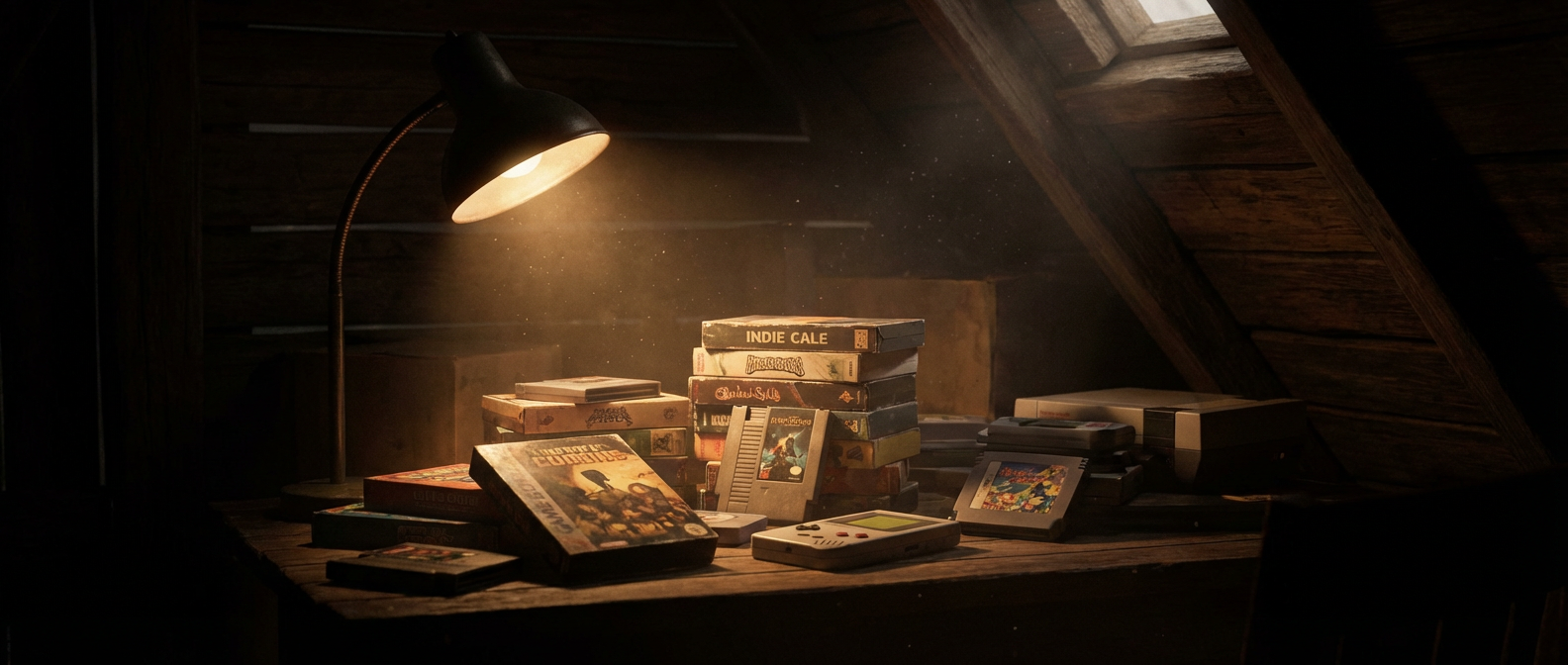
But here’s the thing. Some games really did slip through the cracks despite being legitimately excellent. These aren’t the ones propped up by childhood memories and selective amnesia. These are titles that still deliver when you boot them up today, no mental gymnastics required.
I went back and actually played these recommendations. Not watched YouTube retrospectives. Not relied on foggy memories. I sat down with each game for hours to see if they deserved the hype or if I was just being sentimental. The results surprised me.
Eternal Darkness: Sanity’s Requiem Still Breaks Your Brain
Nintendo publishing a mature horror game sounds like a fever dream, but Eternal Darkness happened and it’s still unmatched in its psychological warfare against players. The sanity meter wasn’t just a health bar with a different name. It actively messed with you in ways that games still haven’t replicated twenty years later.
The fake crashes, volume adjustments, and save file deletion scares work because they break the fourth wall without being cute about it. Modern games that try similar tricks feel like they’re winking at you. Eternal Darkness played it completely straight, making you question if your GameCube was dying or if you’d actually lost your save file.
Playing it today, the graphics are rough and the voice acting ranges from decent to community theater level. But that sanity system still hits different. When the game pretends to delete your save file, your heart still skips a beat even when you know it’s coming. That’s the mark of something special.
The spell system deserves mention too. Figuring out the rock-paper-scissors relationship between the different gods and experimenting with spell combinations felt like actual magical research. No quest markers or helpful tooltips. Just you, a bunch of mysterious runes, and the growing realization that this game respects your intelligence.
Sleeping Dogs Perfected the Open World Formula Nobody Talks About
Grand Theft Auto gets all the credit for open world crime games, but Sleeping Dogs understood something Rockstar still struggles with: making every system work together instead of existing in isolation. The hand-to-hand combat wasn’t just button mashing. It had weight and timing that made every fight feel like a Jackie Chan movie.
Hong Kong as a setting provided something genuinely different from the usual American cities. The neon-soaked streets and cramped apartments told stories without a single line of dialogue. Driving through Central at night while Cantopop played on the radio created atmosphere that most games spend entire cutscenes trying to establish.
The undercover cop angle gave weight to your actions in ways other crime games ignore. You weren’t just a psycho on a rampage. Every decision carried consequences for Wei Shen’s dual identity. Going too far undercover meant losing cop points. Playing too much by the book meant blowing your cover. That tension never let up.
What really sets it apart is how the side activities felt meaningful. Helping old ladies wasn’t just busy work for completion percentages. These moments developed Wei’s character and showed different sides of Hong Kong life. The karaoke minigame alone had more personality than entire open world games.
Binary Domain Asked What If Gears of War Had a Brain
Third-person cover shooters were everywhere in the early 2010s, and Binary Domain looked like another generic entry in an oversaturated market. The marketing didn’t help, focusing on robots and explosions instead of what made the game special: its surprisingly sophisticated AI companions and trust system.
Your squad members actually remembered how you treated them. Ignore someone’s suggestions repeatedly and they’d stop offering help. Shoot them accidentally too often and they’d question your leadership. The voice command system let you respond to teammates naturally, creating conversations that felt organic instead of scripted.
The robot enemies weren’t just bullet sponges with different paint jobs. Shooting legs made them crawl. Destroying arms affected their aim. Headshots revealed mechanical skulls underneath synthetic skin. Each encounter became a puzzle about which parts to target first rather than just holding down the trigger until things stopped moving.
Playing through Binary Domain today reveals a game ahead of its time. The trust mechanics and destructible enemies feel fresh even now. The story goes to some genuinely unexpected places, questioning what makes someone human without beating you over the head with philosophy. It deserved better than being buried under the avalanche of similar-looking shooters.
Why These Matter More Than Your Favorite Childhood Game
The difference between these titles and actual nostalgia bait is simple: they solve problems instead of just existing. Eternal Darkness pioneered psychological horror techniques that developers still haven’t fully explored. Sleeping Dogs showed how to make open world activities feel meaningful instead of like checklists. Binary Domain proved that cover shooters could have depth beyond better graphics and bigger explosions.
These games took risks that modern development budgets often can’t justify. They tried new things, failed at some, succeeded at others, and created experiences you can’t get anywhere else. That’s worth preserving and celebrating, not because of when we played them, but because of what they achieved.
What hidden gems have you revisited recently that actually held up to scrutiny? Drop your recommendations in the comments, but be honest about whether they’re genuinely great or just great memories. The distinction matters more than we like to admit.