Remember When We Thought This Would Be Another Battle Pass Nightmare?
Okay, real talk. When Marvel Rivals dropped in December 2024 and hit 20 million players in its first three days, a lot of us were genuinely shocked. Not shocked that people wanted to play a solid team-based hero shooter with Marvel characters. Shocked that NetEase actually made one. But here’s the thing we were all quietly worried about: the monetization model. Because NetEase has this reputation, right? And live service games in 2024? They’re basically designed to stress you out about missing limited-time cosmetics at 2 AM on a Tuesday.
Then Season 2 happened. I’m not being hyperbolic when I say this is the moment everything shifted. The no-FOMO battle pass system that just launched isn’t just a quality-of-life feature. It’s NetEase essentially looking at the entire live service community and saying, “Yeah, we heard you. And we’re actually doing something about it.”
The Peak Concurrent Player Story Nobody’s Talking About
Let’s back up for a second and acknowledge what happened during Season 1. The game hit 644,000 concurrent players on Steam during launch weekend. That’s not just impressive numbers on a spreadsheet. That’s your ranked queue popping instantly at 3 AM. That’s Discord servers exploding. That’s streamers actually having viewers because the game is genuinely fun to watch and play.
But here’s where it gets interesting. Those player numbers could have tanked hard if Season 2 went the traditional route. Limited-time cosmetics? FOMO mechanics? Community backlash that was already documented across the 1.2 million-strong subreddit would’ve been brutal. Instead, NetEase looked at what happened with Helldivers 2 and basically said, “That community trust thing? Let’s build that.” During a GDC 2025 session, NetEase’s lead designer straight-up cited Helldivers 2’s community-first monetization as direct inspiration for the revised seasonal structure. That’s not a coincidence. That’s a design philosophy.
The Battle Pass That Actually Respects Your Time
So here’s what changed with Season 2. Every single seasonal cosmetic remains permanently purchasable. Not limited. Not “battle pass exclusive until next season then gone forever.” Permanent. You can jump into Season 3, look back at Season 2’s cosmetics, and still buy them if you want. This sounds simple, but it’s genuinely a big deal for how live service games typically operate.
Why does this matter beyond just being nice? Because it removes the anxiety loop. You know the one. It’s 11:47 PM on the last day of the season. You’re looking at that skin you kind of wanted but didn’t commit to buying. Your brain is doing the math on whether you can justify another $20. By removing that artificial scarcity, NetEase actually created more breathing room for players to make genuine purchasing decisions instead of panic-buying decisions.
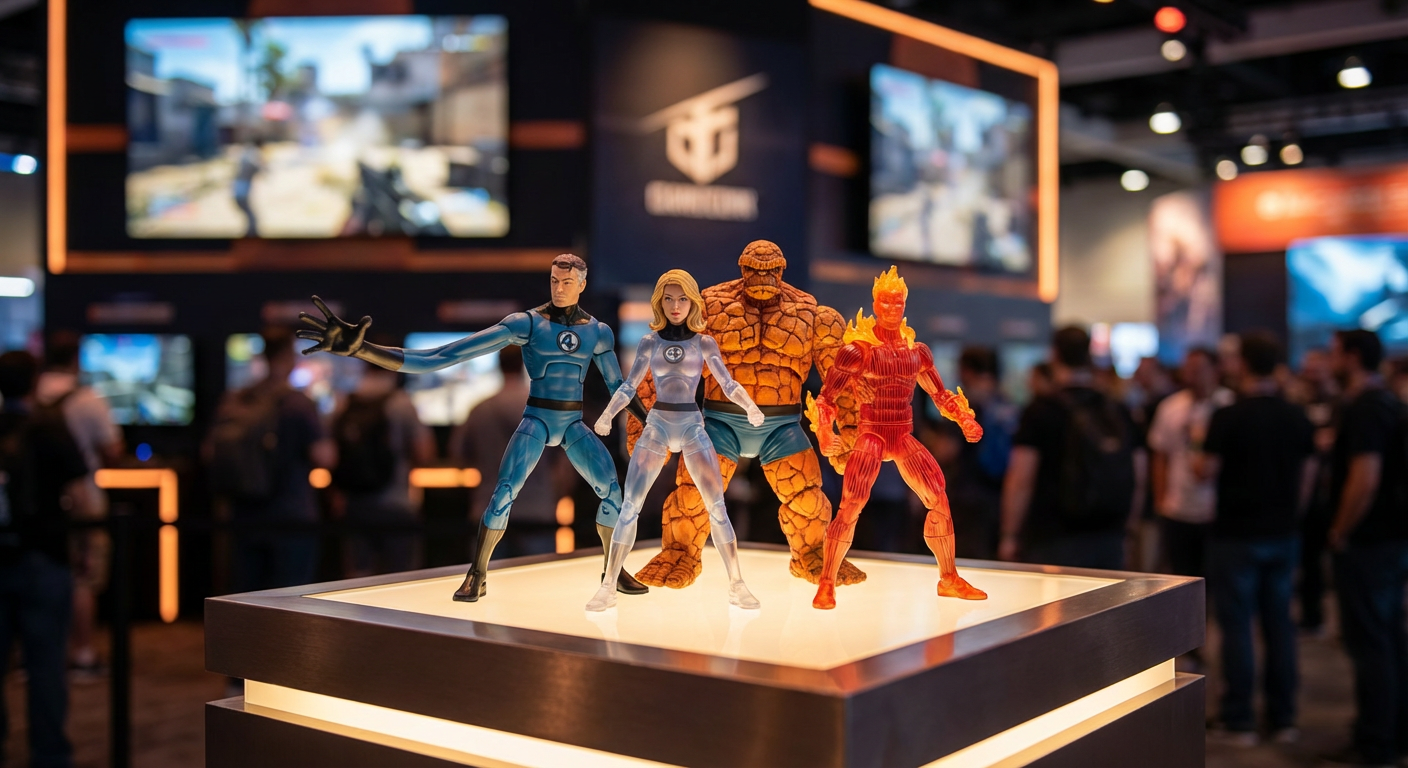
The Fantastic Four completion in Season 2 with Mr. Fantastic and Invisible Woman joining the roster is a good example of how this trust plays out mechanically. These characters were teased in the original cinematic trailer. The community wanted them. And instead of making them limited-time exclusive to Season 2, NetEase just… added them to the game as roster expansions available whether you played on launch or jumped in six months later.
Why This Actually Matters for the Industry
Look, I could spend time breaking down why Marvel Rivals’ matchmaking is solid or why the hero design is genuinely balanced once you put in the work to learn matchups. But the real story here is bigger than one game. NetEase just proved that you can run a profitable live service without treating your player base like marks waiting to be squeezed.
The subreddit backlash was documented. It was real. And instead of doubling down or launching Season 2 with even more aggressive monetization to offset “declining engagement,” the company actually responded with systemic changes. Check the SteamDB Marvel Rivals concurrent player history around the Season 2 announcement and launch period. The retention looks different this time around. People aren’t treating it like a ticking clock.
What Comes Next for Live Service Games
This is where I get genuinely hopeful. If Marvel Rivals maintains momentum with this model, if the quarterly revenue reports show that community trust actually converts to sustainable earnings, other studios are going to notice. That’s not me being optimistic about corporate altruism. That’s just game theory. When a competitor proves the “respecting players” angle is profitable, the market adjusts.
We’ve been conditioned to expect the worst from live service monetization. FOMO is treated as inevitable. Artificial scarcity is standard. Seasonal content expiration dates are just how the industry works. Season 2 of Marvel Rivals is pushing back on all of that. It’s saying you can design around player wellbeing and player retention at the same time. That’s a conversation the industry actually needs to have.
If you’re still on the fence about Marvel Rivals, or if you bailed on Season 1 because of monetization concerns, this is genuinely the moment to check back in. The game is solid. The community is healthy. And for once, the business model actually trusts you to be a person instead of a wallet. Drop a comment if you’ve hopped back in for Season 2 or if you’re still skeptical about what NetEase is actually doing here.