The $3 Million Reality Check
So here’s the thing that genuinely had me sitting up in my chair. The PUBG Mobile Global Championship in 2025 hit a $3 million prize pool. That’s not a typo. That’s a 50% jump from 2023, and the finals were held in Riyadh with production quality that honestly made some traditional esports broadcasts look amateur by comparison. This isn’t your little brother grinding ranked matches in his bedroom anymore. This is legitimate infrastructure.

What makes this wild is that mobile esports still gets dismissed by gatekeepers who think “real” competitive gaming only happens on PCs and consoles. Those people are slowly losing the argument, and the numbers are doing the talking. When you’re moving finals to international cities and backing it with millions in prize money, you’re not experimenting. You’re establishing.
Saudi Arabia’s Bet on the Future
Let’s talk about what’s actually funding this shift. Saudi Arabia’s Savvy Games Group dropped $500 million into esports infrastructure in 2025. That’s not chump change. But here’s the detail that matters: 40% of that dedicated funding went to mobile titles. They’re not throwing money at mobile as an afterthought or a secondary market. They’re treating it as a core pillar.
This is the kind of institutional backing that changes the entire trajectory. When a regional power with serious capital decides mobile esports is worth half a billion dollars in investment, suddenly every other organization has to rethink their strategy. You can’t ignore something that’s getting that level of financial commitment. The regional hub effect is real, and it’s pulling the entire ecosystem forward.
The Viewership Explosion Nobody’s Talking About
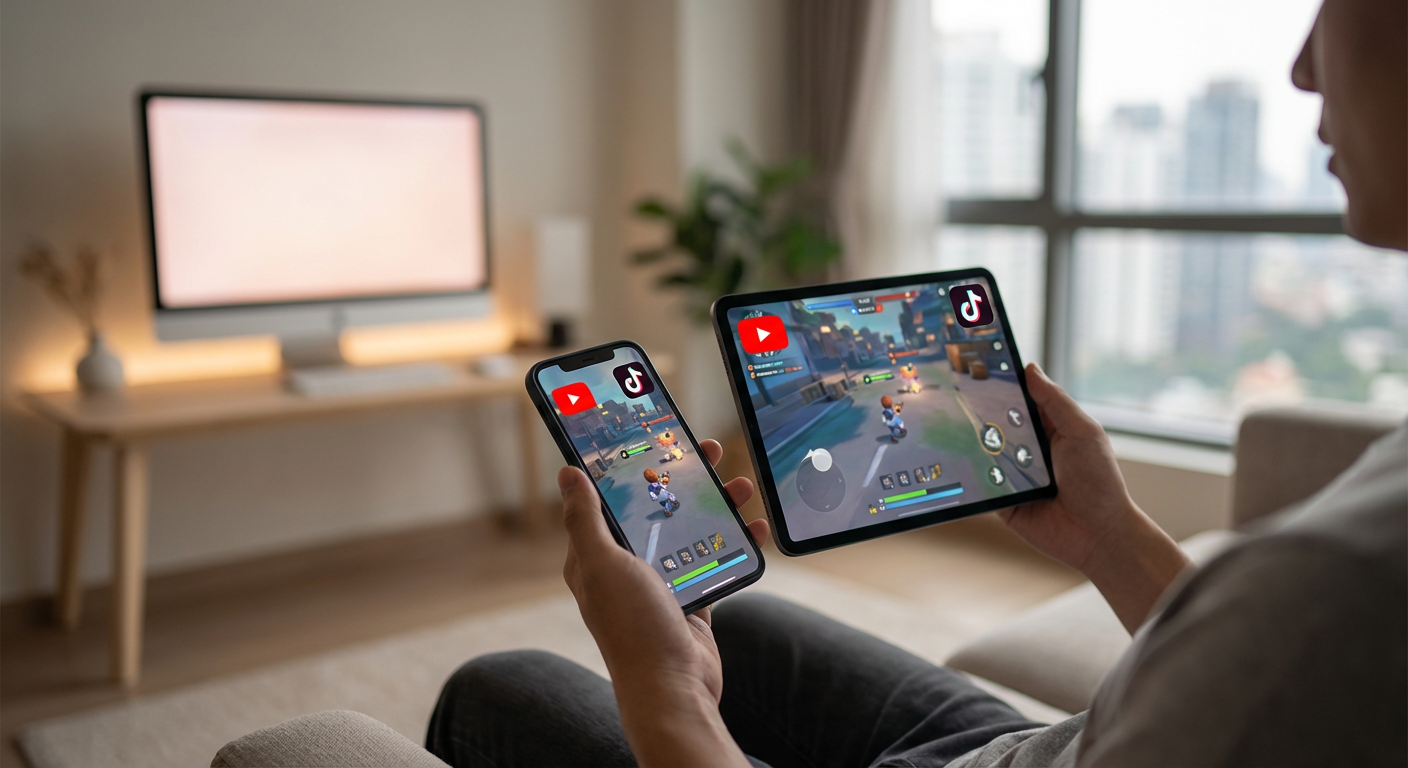
Here’s where it gets genuinely shocking. Mobile esports viewership on YouTube and TikTok combined hit 1.2 billion hours watched in 2025. Let that sink in. That’s the first time mobile has surpassed Twitch mobile esports hours. FIRST TIME. The platforms where Gen Z actually hangs out are the ones watching competitive mobile gaming, and it’s not even close.
According to Stream Hatchet Esports Viewership Report, this shift isn’t gradual. It’s a complete platform realignment. TikTok’s format favors mobile content. YouTube’s algorithm is pushing competitive clips. Meanwhile, traditional streamers are having to adapt or get left behind. The audience was always there. The infrastructure just finally caught up.
This matters because viewership drives sponsorship, and sponsorship drives legitimacy. You can’t fake 1.2 billion hours watched. That’s real engagement from real players and fans.
PUBG Mobile’s Dominance in Southeast Asia Changes Everything
PUBG Mobile had 100 million monthly active players as of Q3 2025. Let that number settle. One hundred million. And here’s the kicker: Southeast Asia accounts for 38% of the competitive player base. That’s not a side market. That’s where the talent is concentrated, where the hunger for competitive play is deepest, and where organizations are investing in training facilities and scouting networks.
The Southeast Asian competitive scene has always been underrated in Western esports discourse, but they’re generating the players who are actually winning global competitions. When you have that much of your competitive talent concentrated in one region, it creates this incredible feedback loop. Players push each other. Orgs invest more. Infrastructure improves. Suddenly you’ve got a legitimate talent pipeline producing world-class competitors.
Head over to PUBG Mobile Esports Official Hub if you want to see how they’re structuring the competitive landscape. The regional representation is actually diverse, but Southeast Asia is undeniably the heartbeat.
The International Esports Federation’s August Stamp of Approval
This is the moment everyone in the community was waiting for. In August 2025, the International Esports Federation formally ratified mobile gaming as a standalone category for the 2026 Esports World Cup qualification pathway. That’s not just a victory lap. That’s institutional legitimacy. That’s saying mobile esports gets its own lane, its own recognition, its own pathway to world competition.
For years, mobile gamers were fighting for scraps. They were told their games weren’t “real” esports. They were squeezed into secondary tournaments and treated like a novelty. The IEF’s decision doesn’t erase that history, but it does say something clear: we’re done pretending this is a phase. Mobile esports is here. It has its own audience, its own talent pool, its own economic model. It deserves its own category.
What we’re watching right now is a genuine inflection point. Mobile esports spent years building from the ground up, and in 2025, it stopped asking for permission and started demanding recognition. PUBG Mobile is leading that charge, but it’s bigger than one game. It’s an entire category finding its voice and proving it belongs at the highest levels of competition.
The gatekeepers can keep gatekeeping. The rest of us are watching something genuinely exciting unfold. If you’re a player, an org, or just someone who loves competitive gaming, this is the moment to pay attention. The next generation of esports superstars might be grinding on their phones right now. What are your thoughts on where mobile esports is headed? Drop a comment and let’s talk about it.